
Technology is the North Star of business transformation. It guides every aspect of business growth through change in one way or another. That is why it is always the center around which you map out your enterprise’s strategic plans.
Application modernization is a key tech process that brings your digital assets to modern platforms without losing your existing data. Application modernization services bring effective solutions that give your company agility and a competitive advantage.
In this blog, we will discuss application modernization and its impact on business growth. We’ll look into what it is and how companies can benefit from it.
What is application modernization?
Application modernization is the process of converting your existing legacy software systems to modern platforms or frameworks. The conversion can involve updating, migrating, or entirely transforming your old software. The idea is the same as refurbishing a house to make any improvements and turn it into mint condition.
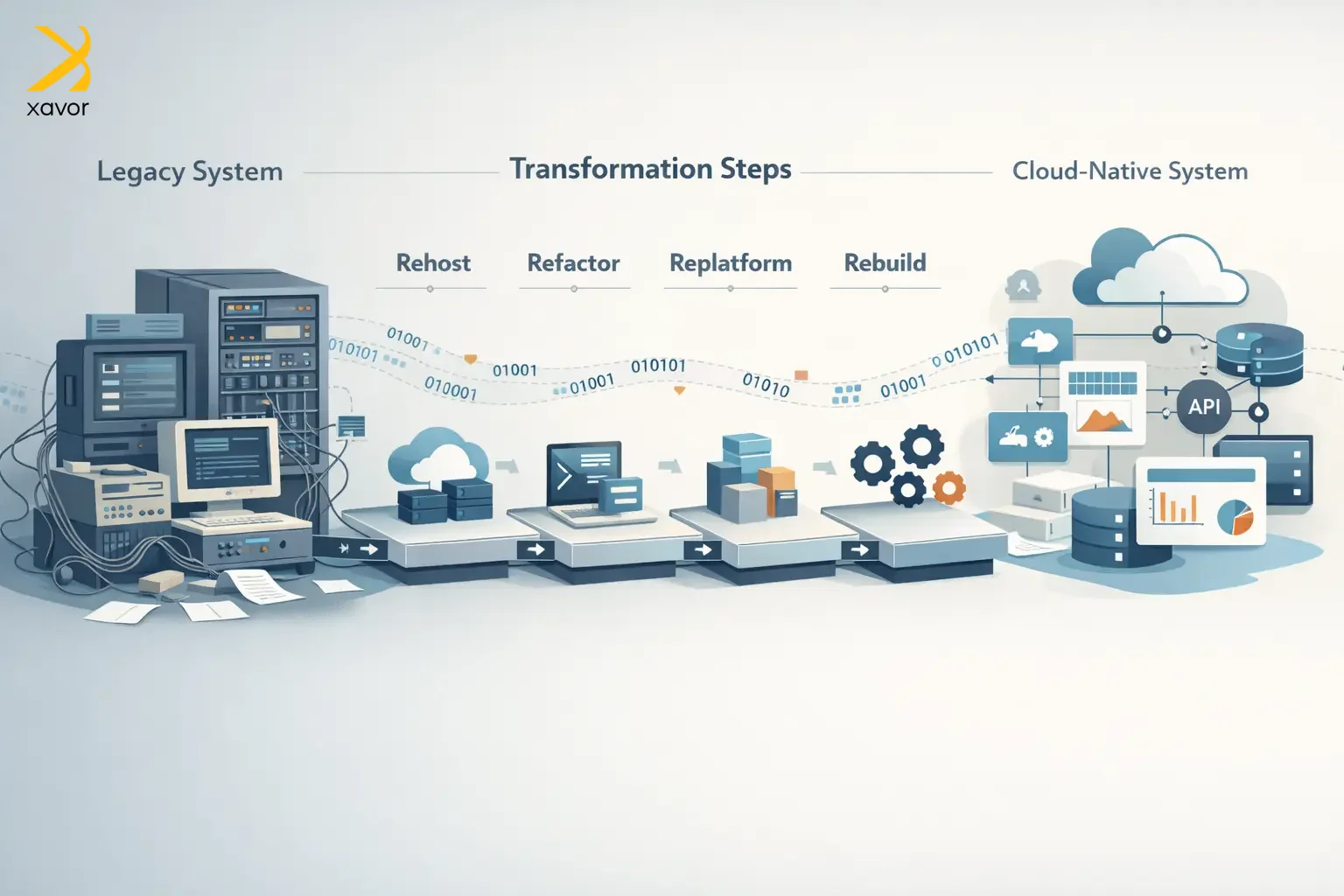
But a legacy software modernization company helps you make this transition with full data retention. So that your business continuity is not disturbed, nor any important piece of information is lost during transition.
Why do organizations persist with legacy systems?
Businesses sometimes hold on to legacy systems for very practical reasons. And sometimes they don’t want to pull the plug because of other issues.
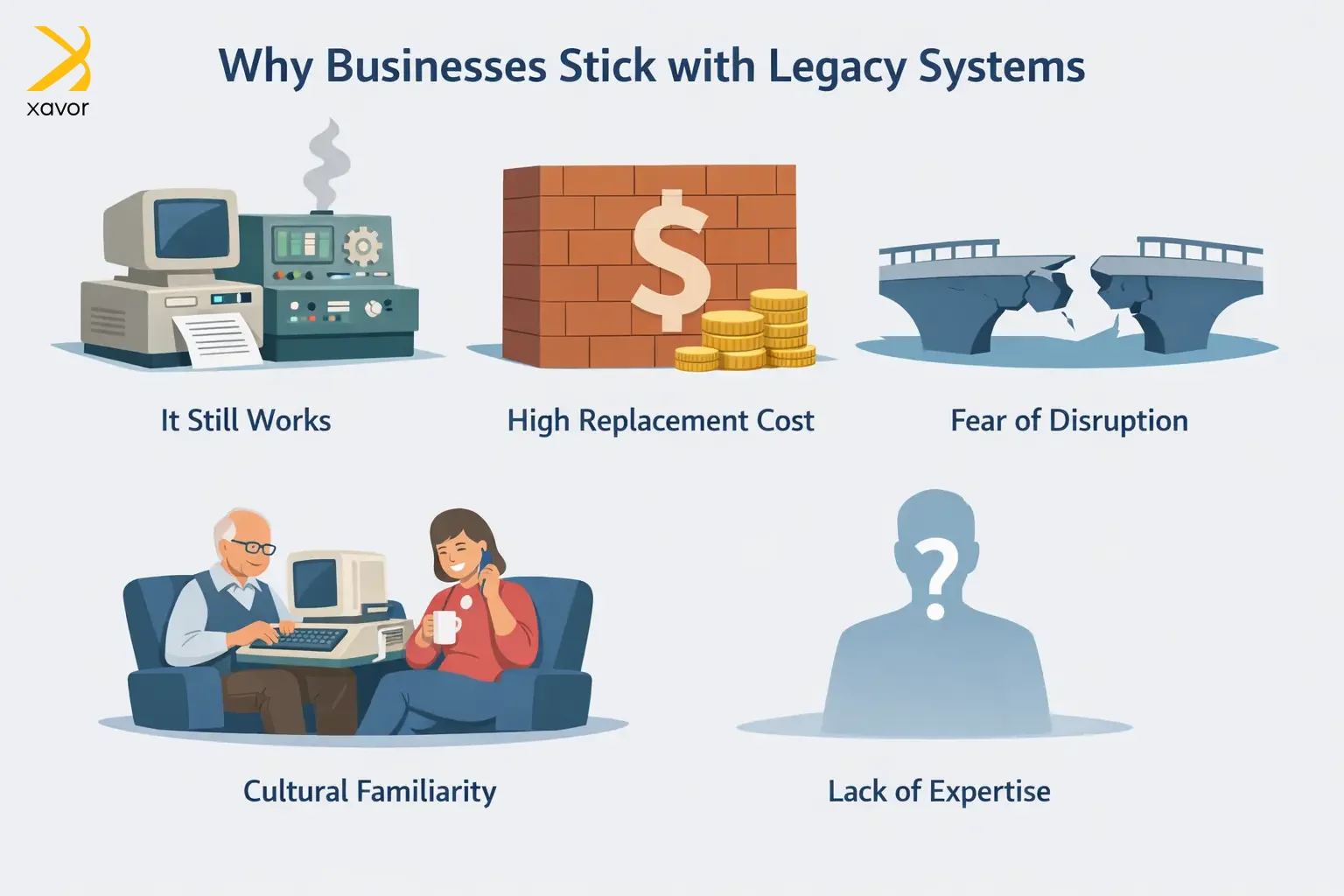
1. Legacy apps can work fine
If it ain’t broke, don’t fix it. Sometimes there’s no need to replace old apps. Even if they become relatively obsolete over time, they are good enough at doing what they were designed for.
And no company will invest in application modernization services without compelling justification for the risk of replacing their legacy systems.
2. Prohibitive replacement cost
Legacy application modernization services can cost tens or hundreds of millions to replace large legacy systems. And when big numbers are involved, big checks and balances can hinder digital transformation. Budget cycles, competing priorities, and ROI uncertainty make stakeholders hesitant.
3. Fear of disruption
Migration carries the real risk of downtime, data loss, or broken integrations. For example, TSB Bank’s 2018 botched IT migration disaster locked 1.9 million customers out of their accounts.
That is why businesses can take years and years to plan workflow modernization, but it keeps getting delayed and delayed.
4. Cultural familiarity
Some software platforms are almost part of the company. Like Oracle Agile PLM has been used by manufacturers for decades. That means years of business rules and edge cases are baked into the platform.
Therefore, the employees and the management just want to persist with what they are comfortable with. Rather than dealing with a legacy software modernization company to manage the application & data modernization process, they often prefer to avoid the changes involved in modernizing their existing systems
5. Lack of expertise
Niche institutional knowledge can be lost over time if it isn’t preserved by fresh blood. Cause when the old guard retires, nobody wants to touch a 40-year-old COBOL system they didn’t write for, say. That is why such systems just remain part of the setup even if they don’t serve much purpose.
When application modernization becomes essential?
We talked about why legacy systems exist in many organizations. But now let’s discuss why, at one point or another, they have to go to make room for better options.
The following are some of the common reasons why it becomes necessary to hire an application modernization company.
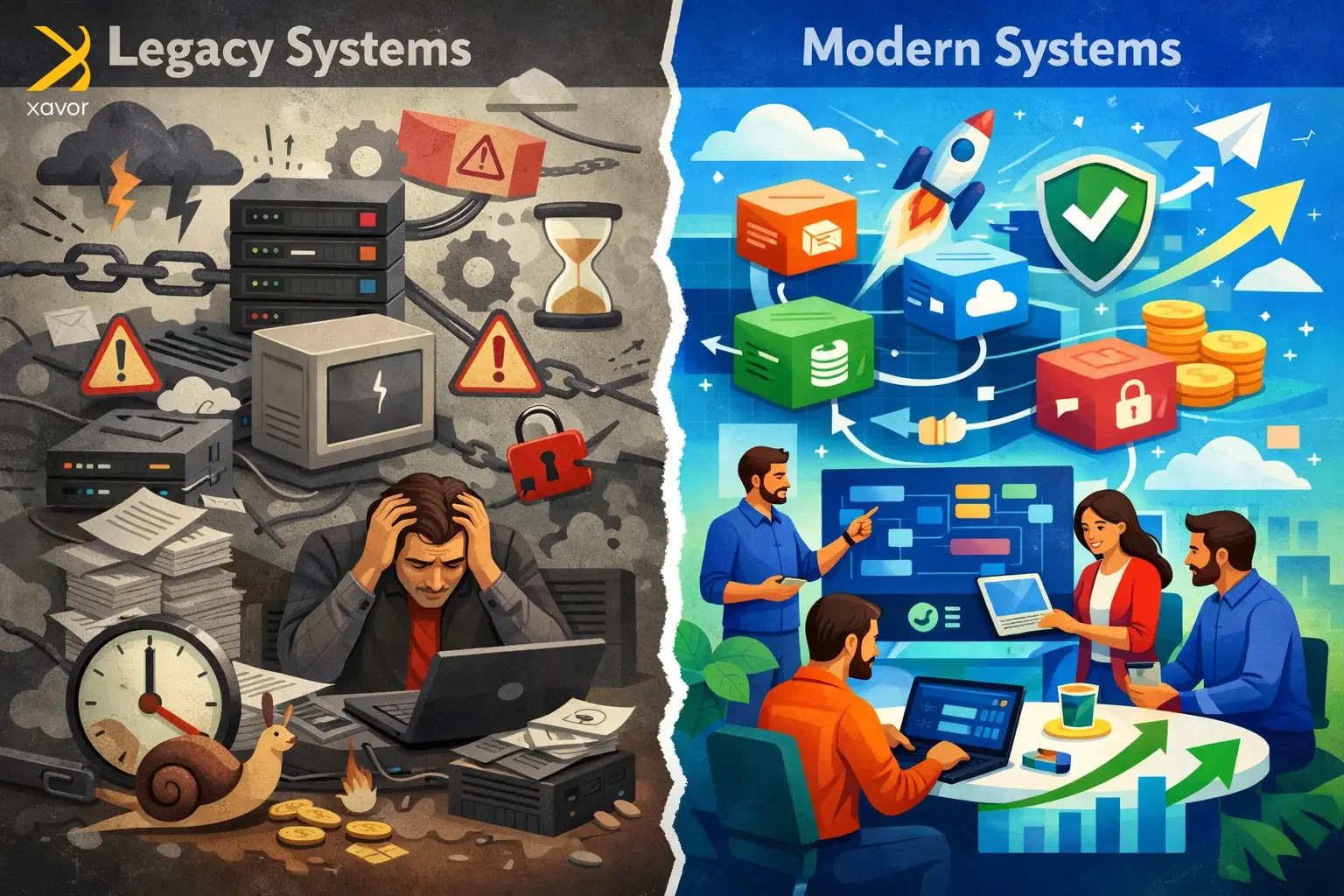
1. Reducing technical debt
Old systems accumulate years of quick fixes and outdated code. Pretty much like a house with bad plumbing hidden behind fresh paint. Eventually, every new feature becomes slower and riskier to build because developers are fighting the old code instead of writing new value.
An application modernization platform tears out the bad plumbing and rebuilds on a clean foundation.
2. Agility and flexibility
Legacy systems are often rigid, where you change one thing, and it can break five others. Legacy application modernization services develop modern architectures, like microservices and cloud-native, which are modular. That means teams can work with individual pieces without touching the whole system.
3. Security
Old systems were built when today’s threats didn’t exist. They often can’t support modern encryption, multi-factor authentication, or real-time threat detection. Modernizing means baking security in rather than bolting it on.
Application modernization companies also help in staying compliant with regulations like GDPR, HIPAA, and PCI-DSS, which legacy systems weren’t designed for.
4. Cost Efficiency
Modernization costs money upfront, but legacy systems are quietly expensive every single day. High maintenance, specialist developers, and downtime come with the package of legacy software. Working with an experienced legacy software modernization firm helps organizations map that transition accurately, identifying which systems to refactor, replatform, or replace based on actual cost and risk rather than assumptions.
Legacy application modernization services design modern systems that cost less to run, less to maintain, and generate more value through speed and reliability.
5. Collaboration and productivity
Modern applications connect with tools people actually use, such as Teams, Slack, Google Docs, or Microsoft 365. They support real-time collaboration, version history, and cross-department workflows.
Legacy systems often force people into email chains, manual handoffs, and data silos.
The imperative for application modernization services for strategic growth
Organizations that modernize their application reposition themselves to compete and innovate in ways that legacy systems fundamentally cannot support.
1. Aligning technology with business strategy
Legacy systems were built to serve the business goals of a different era. New markets and customer expectations have no place for outdated applications to become a strategic mismatch. The technology is pulling in one direction while the business tries to go in another.
Application modernization services bridge this gap by realigning the application portfolio with current and future business objectives. And this is pertinent to expanding into new geographies, launching digital products, or enabling data-driven decision-making.
Upgraded systems provide a technical foundation that makes strategic execution possible rather than theoretical.
2. Accelerating time-to-market
In competitive industries, the ability to ship new features, products, and services faster than rivals is itself a competitive advantage. Legacy architectures act as a drag on development velocity. A simple update can take weeks of testing, coordination, and risk management.
Modern architectures like APIs and cloud-native platforms allow development teams to build, test, and deploy independently and continuously. Application modernization services directly translate this into shorter release cycles, faster customer feedback loops, and the organizational agility to outpace competitors who are still constrained by their old stacks.
3. Enabling data-based decision making
Data is one of the most valuable strategic assets a business holds, but only if it can be accessed, analyzed, and acted upon in real time. Legacy systems were not designed for the volume, velocity, or variety of data that modern businesses generate.
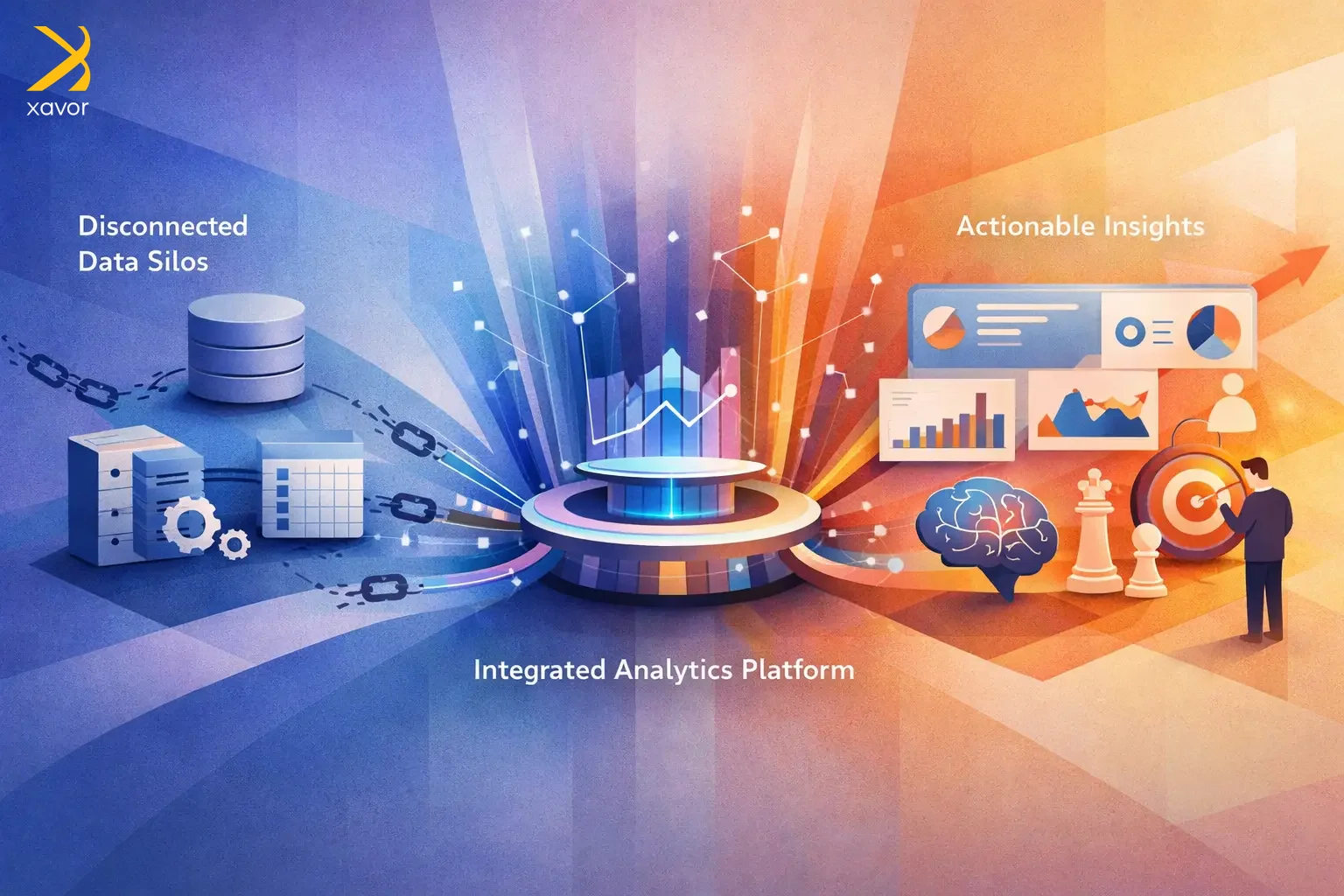
They often store data in siloed, incompatible formats that make enterprise-wide analytics nearly impossible without expensive, fragile workarounds.
Application modernization services upgrade applications with data accessibility at their core. They integrate seamlessly with modern data platforms, analytics engines, and AI/ML pipelines, enabling organizations to derive actionable insights, personalize customer experiences, and make faster, better-informed strategic decisions at every level of the business.
4. Driving innovation at scale
Innovation cannot thrive on a brittle foundation. When engineering teams spend the majority of their time maintaining and patching old systems, little capacity remains for building new capabilities. Technical debt is, in effect, a tax on innovation.
Legacy application modernization services modernize your application landscape to free engineering talent and organizational energy. This allows them to focus on what creates competitive differentiation. Cloud-native platforms, open APIs, and modular architectures also make it significantly easier to integrate emerging technologies, such as:
- Artificial intelligence
- IoT
- Blockchain
This makes sure that the organization can adopt and leverage innovation as it emerges rather than playing catch-up.
5. Improving customer experience and retention
Modern customers expect seamless, fast, and personalized digital experiences across every touchpoint, like web, mobile, and beyond. Legacy systems frequently cannot deliver this. They are slow to respond, difficult to personalize, and prone to outages that directly erode customer trust and satisfaction.
Application modernization services enable organizations to build customer-facing applications that are responsive, resilient, and deeply integrated with customer data. The result is a stronger customer relationship, higher retention rates, and a brand perception of being forward-thinking and reliable.
In industries like banking, retail, and healthcare, this difference is measurable in revenue.
6. Strengthening organizational resilience
Strategic growth requires the ability to withstand disruption from anything. Market shifts, cyberattacks, regulatory changes, or unexpected surges in demand can’t stop the show.
Legacy systems are inherently fragile in the face of such disruptions. They are difficult to scale rapidly, hard to secure, and often dependent on single points of failure.
Modernized systems, particularly those built on cloud infrastructure, offer high availability, geographic redundancy, and elastic scalability. Therefore, working with application modernization services allows organizations to absorb shocks, maintain continuity, and recover quickly.
7. Supporting mergers and ecosystem partnerships
Growth through acquisition or partnership introduces immediate integration challenges. When two organizations with incompatible legacy systems try to merge operations, the technical complexity can delay the transition by years and consume enormous resources.
Application modernization services deliver API-first applications, which are inherently more interoperable. They can be integrated with partner systems, third-party platforms, and acquired technology stacks far more efficiently. This makes modernization a direct enabler of inorganic growth strategies.
8. Attracting and retaining top engineering talent
Strategic growth depends on having the right people. Increasingly, skilled engineers and developers choose employers based not just on compensation but on the quality of the technology they will work with. And legacy environments are a significant deterrent to top talent.
Modern development environments, with cloud-native infrastructure, CI/CD pipelines, and contemporary frameworks, signal to engineers that the organization is serious about its craft.
This makes modernization a talent strategy as much as a technology strategy, with direct implications for an organization’s capacity to build and sustain competitive products.
Conclusion
Application modernization is a big part of what kind of organization you want to be. The businesses that treat their application portfolio as a living, evolving asset are the ones that move faster and serve customers more effectively.
Those who don’t find themselves spending more and more energy defending the past instead of building the future.
Xavor’s application modernization services help enterprises break free from technical debt and build the digital foundation for their growth demands. Contact us at [email protected] to book a free consultation session.

FAQs
Application modernization aims to transform outdated legacy systems into agile, secure, and scalable platforms that align with current business needs. The core goals are to reduce technical debt, improve operational efficiency, and unlock the ability to adopt modern technologies like AI and cloud infrastructure.
Rehost, Refactor, Rearchitect, Rebuild, and Replace are the five strategic approaches to modernizing legacy systems. Each represents a different level of transformation, ranging from simply migrating an application as-is to completely replacing it.
The most prominent application modernization trends include the widespread adoption of cloud-native architectures. The rise of AI and machine learning integration, and the shift toward microservices and API-first development. Containerization technologies like Kubernetes and Docker are also gaining traction.