
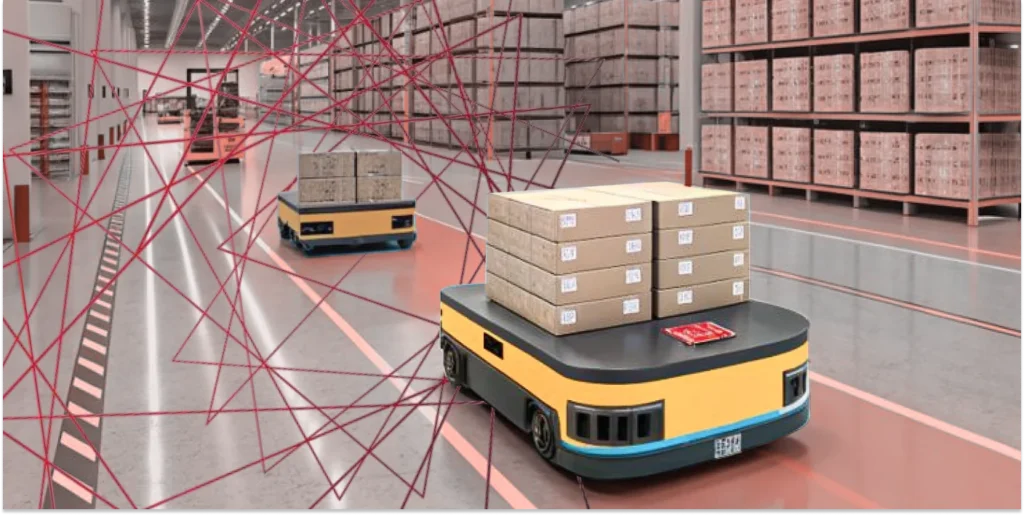
Many manufacturing companies around the world still work with legacy PLM systems. And we get that because they are called “legacy” platforms for a reason. Companies have used them for a long time, and their entire workflows are dependent on them.
But you can’t build tomorrow’s products with yesterday’s technologies. The sun is setting on these legacy PLMs. So, it is time for manufacturers to rethink the way they use technology to do business.
Therefore, it is a great time to explore Aras Innovator if your old PLM platform is holding you back.
Aras PLM is a modern, flexible PLM software that has been making waves in the PLM community recently. It has changed the PLM status quo with its unique architecture.
In this blog, we’ll first discuss the shortcomings of traditional PLM. Then we’ll show how Aras PLM services can help your enterprise work better.
Why legacy PLM software solutions are a problem?
Digital transformation is never easy. And we mean it in both technical and cultural terms. You can’t just rip apart and build a new system overnight. Nor can your workforce just move on from something they’ve used for years and are comfortable with.
However, that doesn’t mean manufacturers become oblivious to the issues caused by obsolete product lifecycle management solutions. They were built for a different era and sap your operations until you’re unable to deliver efficient products.
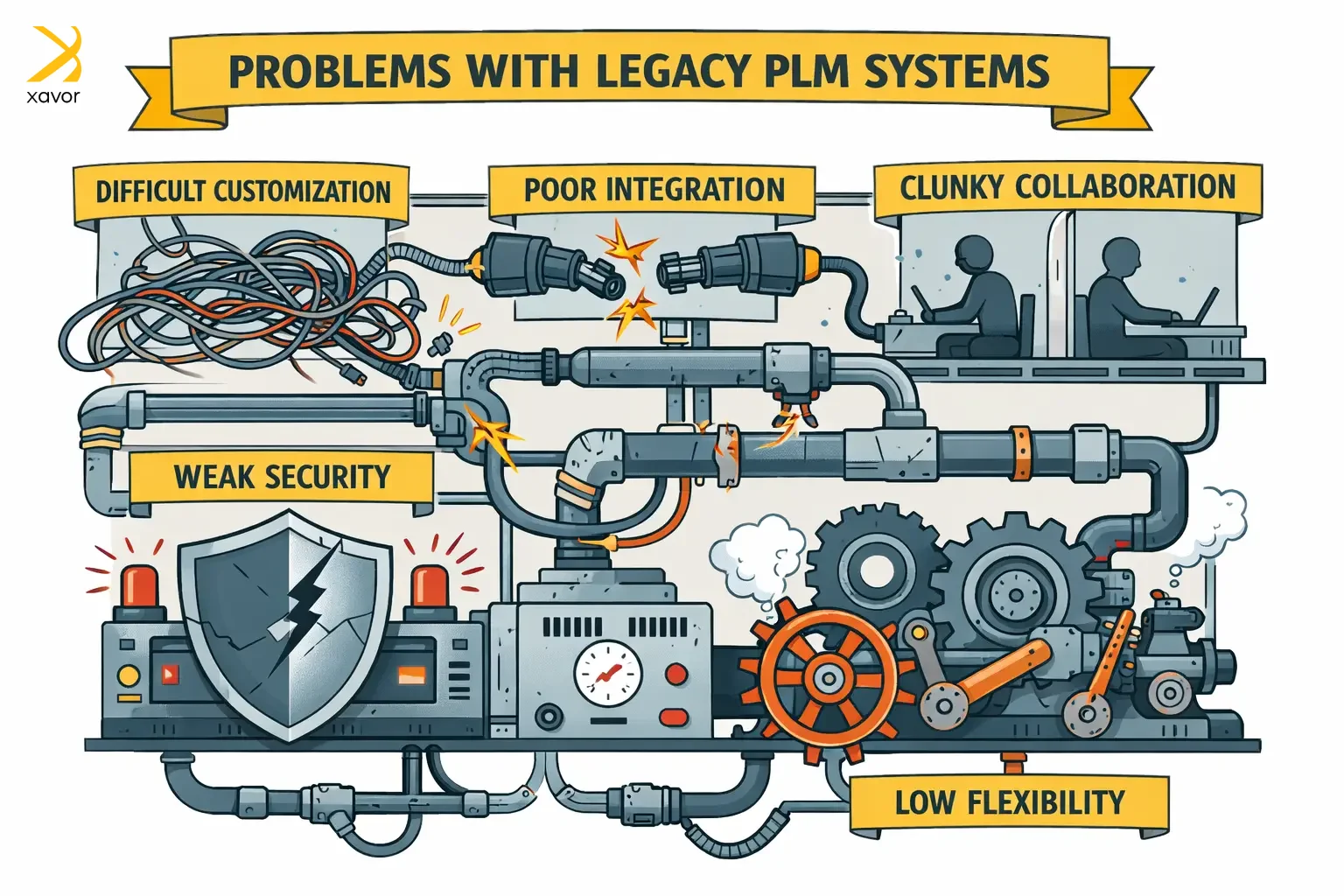
Such obsolete systems pose serious security risks if you persist with them beyond their end of life.
Here is a quick rundown of common challenges of traditional PLM before we get into Aras Innovator:
1. Customizations are complex
One of the great things about Agile PLM was its customizations. It lets you control your PLM setup. But these customizations were really complex and took a lot of time.
Moreover, once a platform reaches its end of life, like Oracle Agile, you are left with tons of custom PLM software solutions that can’t be upgraded. These custom solutions then serve no economic or operational benefit; instead, they often become a burden.
2. Integration is intimidating
Whether it’s Aras Innovator or any other PLM, they are just a cog in the enterprise machine. That is why a product lifecycle management software must neatly integrate with other enterprise software for this machine to work smoothly, such as:
- CRMs like Salesforce or HubSpot
- ITSM platforms like ServiceNow
- AI solutions that automate routine workflows
Legacy PLMs, however, aren’t the best when it comes to integration. They were built as closed systems with rigid architectures and limited APIs. That doesn’t cut the job for today’s data-sharing business environments.
3. Collaboration is clunky
Manufacturing for modern times requires experts from product design, procurement, engineering, and manufacturing departments to work together. But legacy PLMs make inter-collaboration and communication slow and unproductive.
This drags down the whole product development process, which can have serious repercussions for the whole project.
4. Security is susceptible
Legacy PLMs are much more prone to cyberattacks and security threats than modern platforms like Aras Innovator. Since they usually aren’t updated, new and more lethal malware have much more attack surface to penetrate.
Furthermore, there is also the risk of violating regulatory compliance. Manufacturing is tightly regulated by safety protocols, and older PLM systems aren’t always in sync with what the regulators demand.
5. Flexibility is fragile
Most product lifecycle management software isn’t flexible. And the older ones are even less so. That is one of the major reasons for their obsolescence.
Unlike, say, Aras Innovator, they don’t offer the flexibility and scalability of cloud-based solutions. That may not have been a deal breaker ten or so years ago, but today, it is an instant turn-off.
Aras Innovator: Where the change happens
Aras Innovator was founded back in 2001, but started gaining real traction around 2007–2010. Its fortunes turned when Aras switched to a free enterprise open-source model to broaden adoption.
Now, it is moving towards the early majority phase of adoption. Aras PLM is a cloud-based, low-code product lifecycle management software. It offers the full ambit of PLM tools, plus additional features that you won’t find in on-premises, legacy PLM systems.
Here are the noticeable differences you’ll see after migrating to Aras PLM from your legacy PLM software:
1. Built-in DevOps capabilities
Aras Innovator comes with a built-in DevOps tool that you’d otherwise have to pay for and set up separately if running it on your own servers.
It automates how software updates get built and released. Normally, setting up a CI/CD pipeline requires stitching together multiple tools and a dedicated team to maintain them. For those who don’t know what CI/CD is, it is the system that takes your code changes, tests them, and pushes them to production.
Aras just gives you this out of the box, saving significant time and infrastructure cost. This also makes customization easier and safer to build. So, yeah, it is a big deal for developers.
And not only developers, SQA teams will also find this very handy. They won’t have to manually check that nothing broke after a change. Just write test scripts once, and Aras runs them automatically every time a change is made.
2. Digital thread traceability
Digital threads have become very popular to manage complex physical products throughout their entire lifecycle, such as:
- Planes
- HealthTech devices
- Industrial robots
Companies that make these complicated things have dozens of teams. They are working on the same product, but often in complete isolation from each other. Nobody can see the full picture.
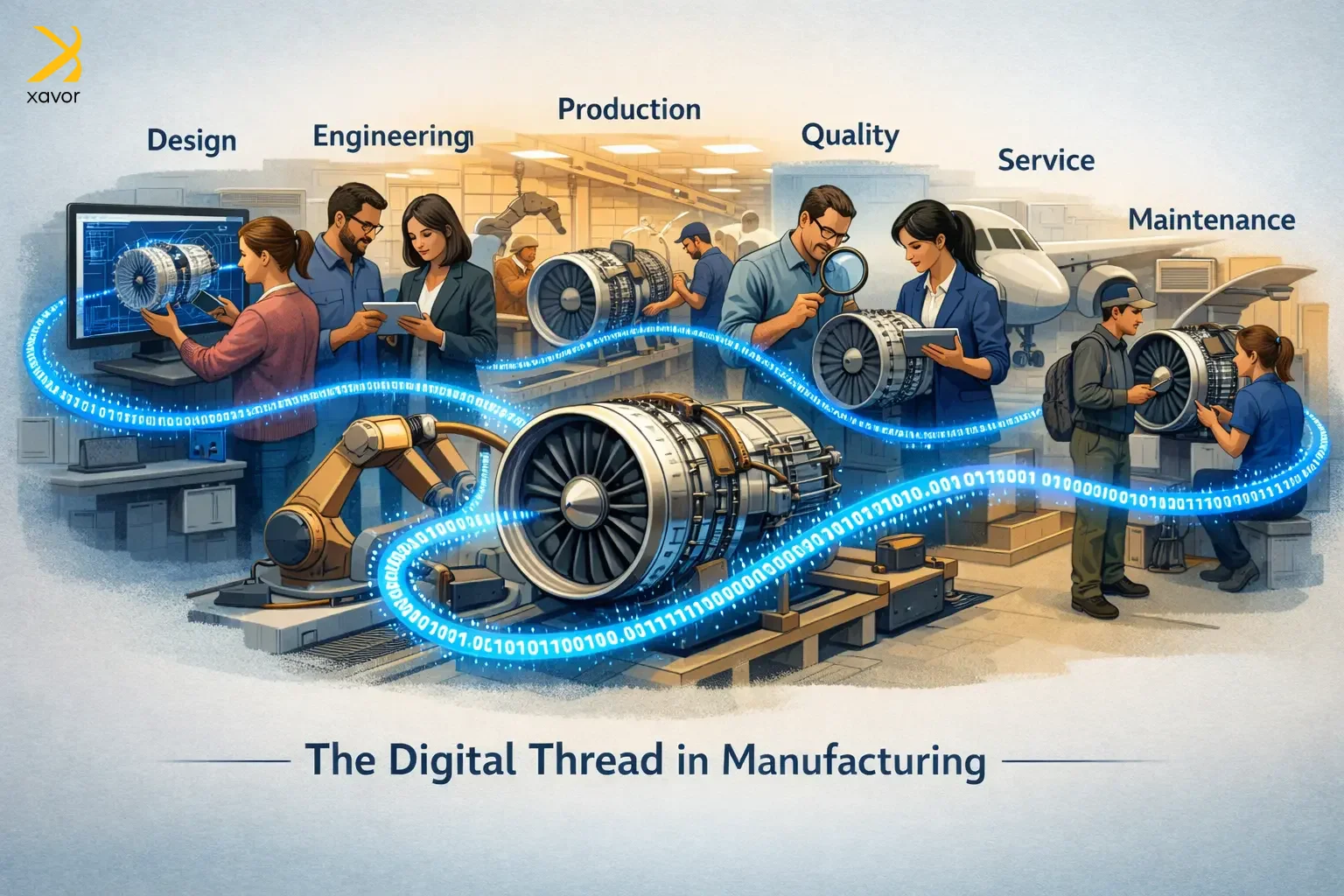
A digital thread basically brings all these teams together. Think of it as a single, unbroken chain of information connecting every stage of a product’s life. Without it, a maintenance technician dealing with a broken part has no idea why it was designed that way and has to chase down the right engineer through emails.
Aras Innovator weaves together a digital thread through several capabilities working in tandem.
3. Closed-loop change management
In most organizations, an engineering change goes through an exhausting relay race. And each handoff is a place where things slow down or fall through the cracks entirely.
Aras Innovator connects all of these steps into a single, unbroken process. A quality team can trigger a formal corrective action that automatically launches engineering change orders. Once engineering approves a fix, the updated part flows directly into the manufacturing bill of materials.
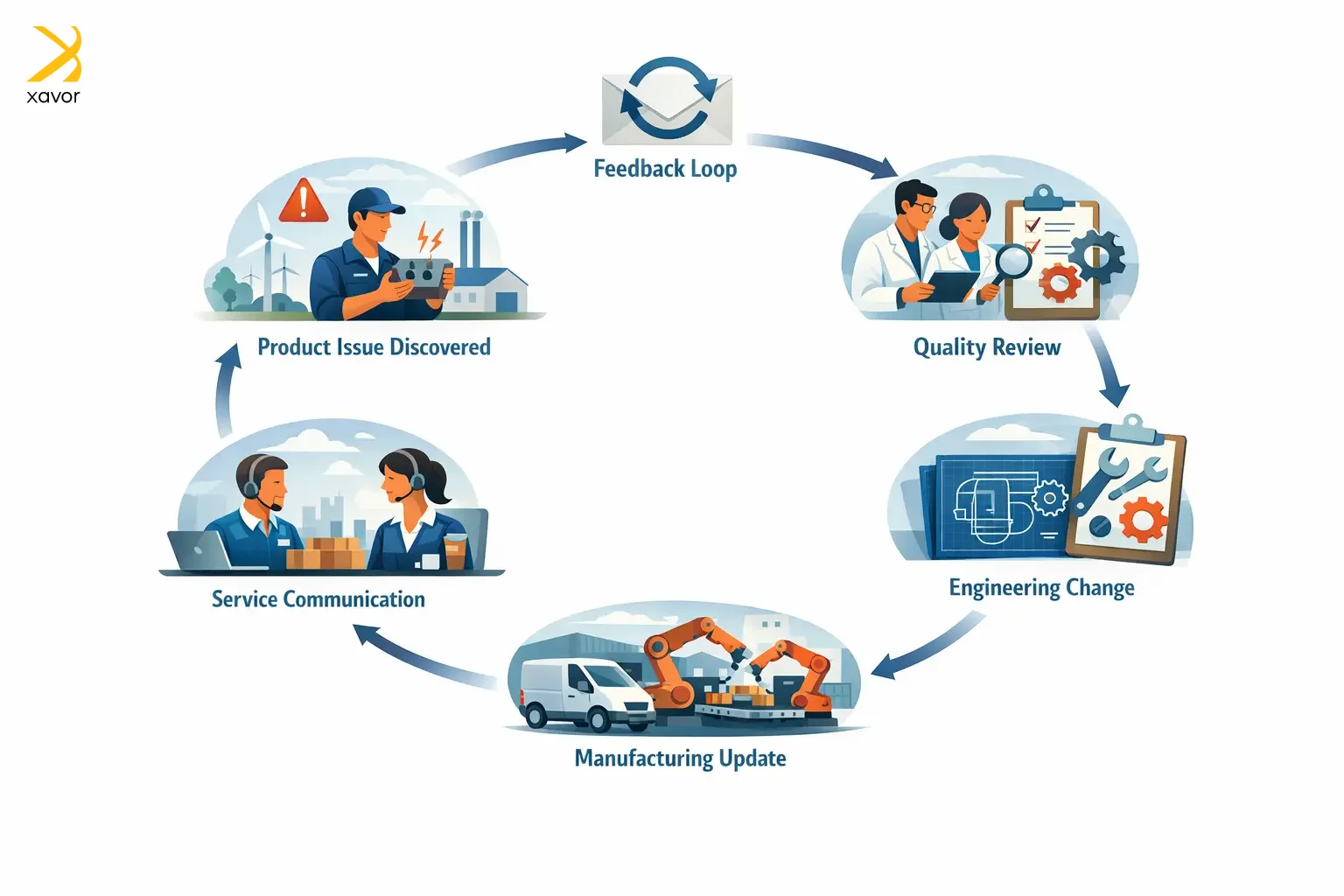
Finally, a service bulletin gets created inside the same system, linked to the specific part, and pushed to field teams.
So, say that six months later, if the same problem resurfaces, you can trace exactly what was changed, why, and whether the fix actually made it to every affected unit in the field.
Conclusion
Legacy PLM systems were genuinely good tools for their time. And that’s exactly what makes them so hard to walk away from. The workflows are familiar, and the short-term pain of migration feels far more concrete than the long-term cost of staying put.
But what legacy PLMs can’t do is a pretty big risk for modern manufacturing. Imagine your competitors can trace a field failure back to its root cause in hours, while you have to go through endless dashboards and filters.
Aras Innovator isn’t just a newer version of the same thing. It represents a philosophy where your PLM grows with you. And where the discipline of software development is finally brought to bear on the messy, high-stakes work of building physical products.
Want to thrive in the next decade of manufacturing? Partner with Xavor as we guide manufacturers through complex migrations from legacy systems to modern PLM solutions like Aras, Propel, and more. without
Contact us at [email protected] to book a free consultation session.

FAQs
Aras Innovator is used by major global manufacturers across industries like aerospace, automotive, electronics, and medical devices. Companies such as Airbus, Audi, GE, and Siemens rely on it to manage complex product lifecycles and engineering processes.
Migrating to Aras Innovator provides greater flexibility, easier customization, and seamless integration with modern enterprise tools. It also improves collaboration, enhances security, and supports continuous updates without disrupting existing workflows.
PLM migration can be complex, but with the right strategy and partner, it can be phased to minimize disruption. Aras Innovator’s flexible architecture allows organizations to transition gradually while maintaining business continuity.